 # Peptides in Skincare: What Works
Peptides are everywhere in anti-aging skincare. But with hundreds of peptides on the market, how do you know which ones actually work?
What Are Peptides?
Peptides are short chains of amino acids—the building blocks of proteins like collagen and elastin. In skincare, they act as signaling molecules, telling your skin to produce more of these structural proteins.
Think of them as text messages to your skin cells: "Hey, make more collagen!"
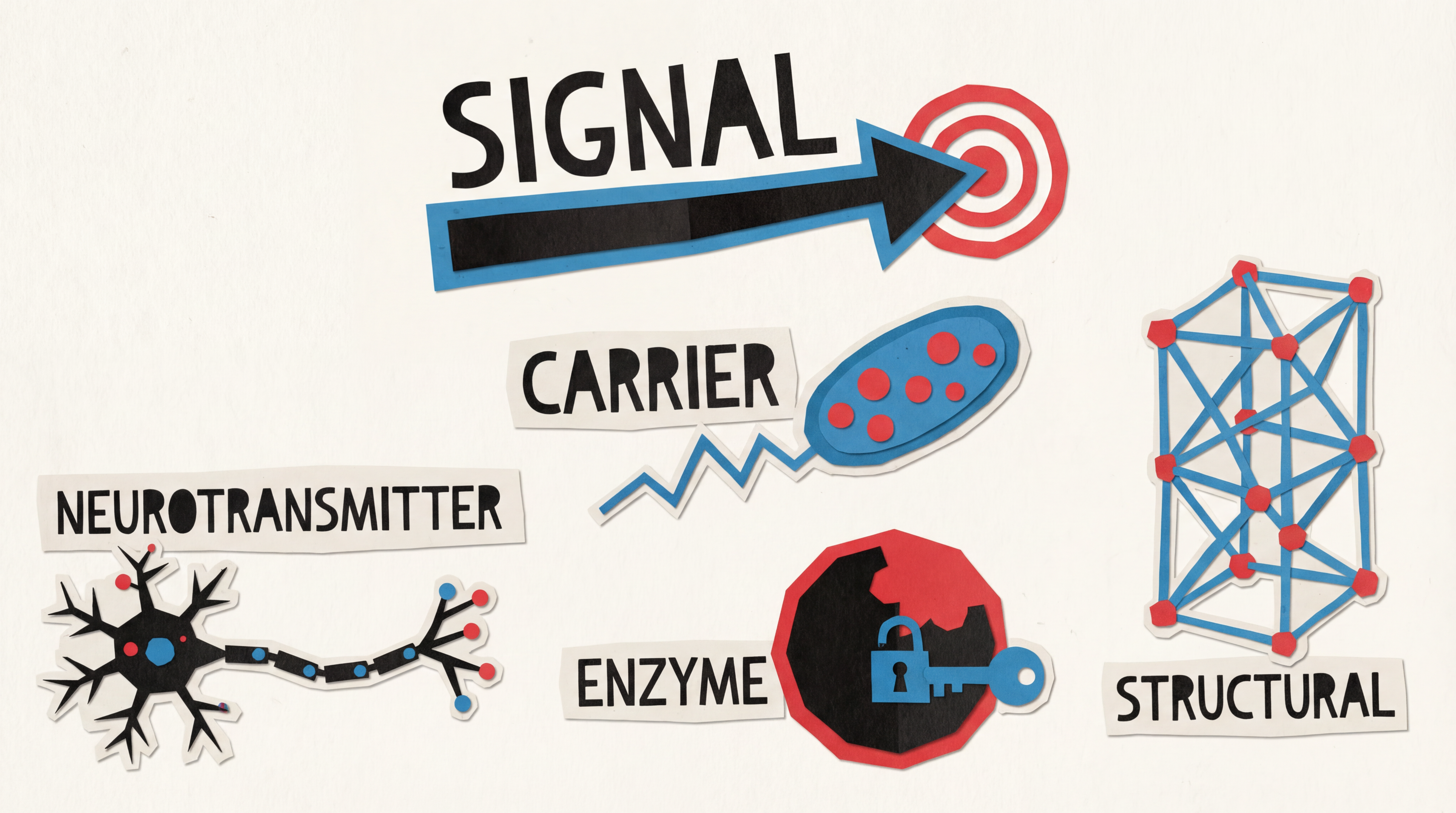
The 5 Categories of Peptides
1. Signal Peptides
What they do: Stimulate fibroblasts to produce collagen, elastin, and other matrix proteins.
Key players:
- Palmitoyl Pentapeptide-4 (Matrixyl)
- Palmitoyl Tripeptide-1
Evidence strength: Strong ✅
2. Carrier Peptides
What they do: Deliver trace elements (like copper) to the skin to aid wound healing and enzyme function.
Key players:
- Copper Tripeptide-1 (GHK-Cu)
Evidence strength: Strong ✅
3. Neurotransmitter-Inhibiting Peptides
What they do: Reduce muscle contractions—like a topical Botox (but much milder).
Key players:
- Acetyl Hexapeptide-3 (Argireline)
- Pentapeptide-18 (Leuphasyl)
Evidence strength: Moderate ⚠️
4. Enzyme-Inhibiting Peptides
What they do: Block enzymes that break down collagen and elastin.
Key players:
- Soy peptides
- Rice peptides
Evidence strength: Limited ⚠️
5. Structural Peptides
What they do: Provide amino acids directly for collagen synthesis.
Key players:
- Various collagen-derived peptides
Evidence strength: Limited ⚠️
 ## Which Peptides Actually Work?
Based on clinical evidence, here's my honest assessment:
| Peptide | Evidence | My Verdict |
|---|---|---|
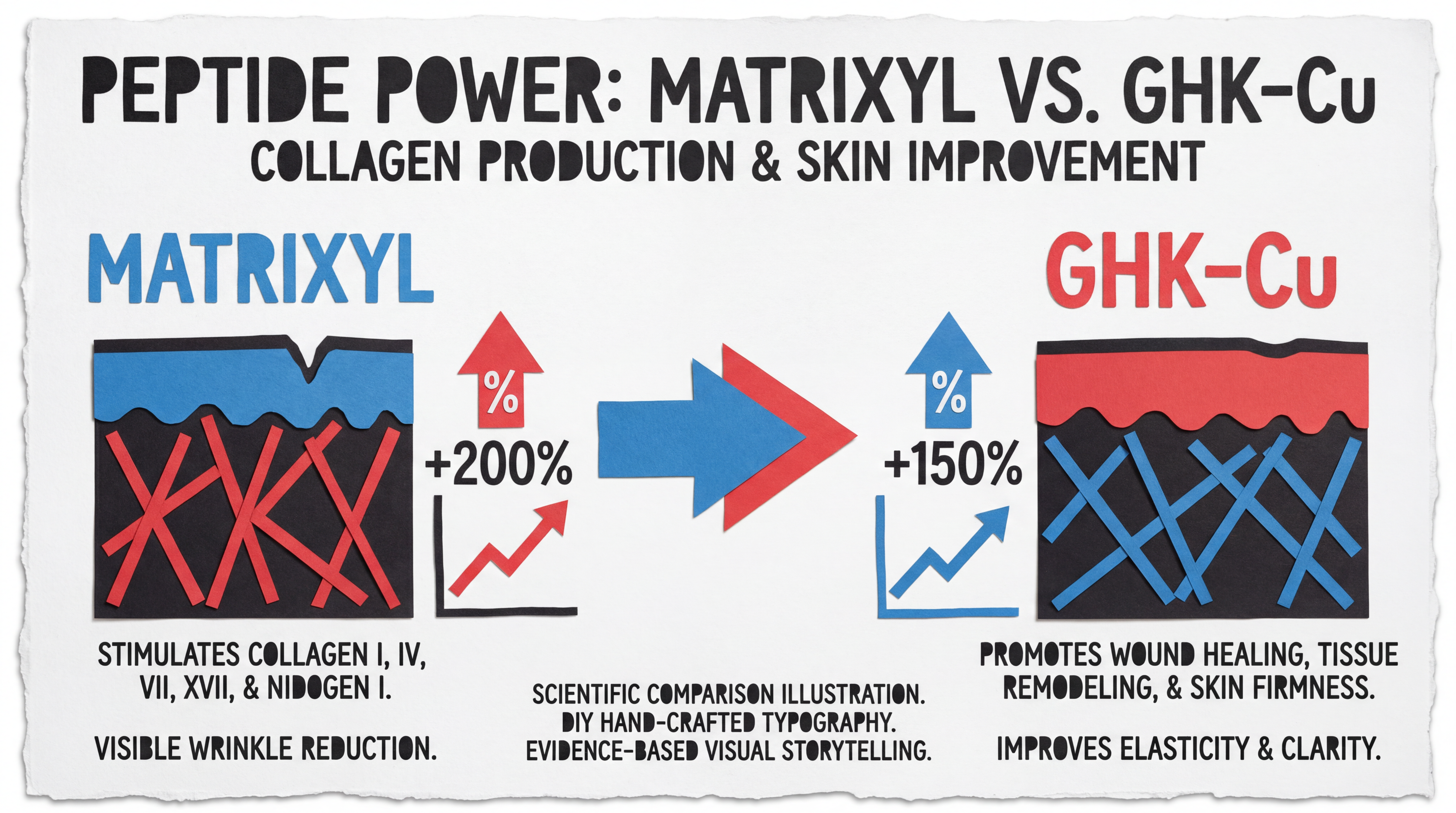
| Matrixyl | 23+ studies | Worth using |
| GHK-Cu | 70+ studies | Highly effective |
| Argireline | Mixed results | Manage expectations |
| Most others | Limited | Marketing-driven |
The GHK-Cu Story
Copper peptide (GHK-Cu) is the most researched peptide in skincare with over 70 published studies. It's been shown to:
- Increase collagen production by 70%
- Improve skin elasticity by 40%
- Accelerate wound healing
- Reduce inflammation
The catch? It's expensive and challenging to formulate. Look for products from reputable brands with stable formulations.
Realistic Expectations
Let's be clear: peptides are not magic. They won't:
- Replace Botox or fillers
- Reverse 20 years of aging overnight
- Work if used inconsistently
They will:
- Provide modest improvement over 2-3 months
- Support overall skin health
- Complement other anti-aging strategies
How to Use Peptides
Best Practices:
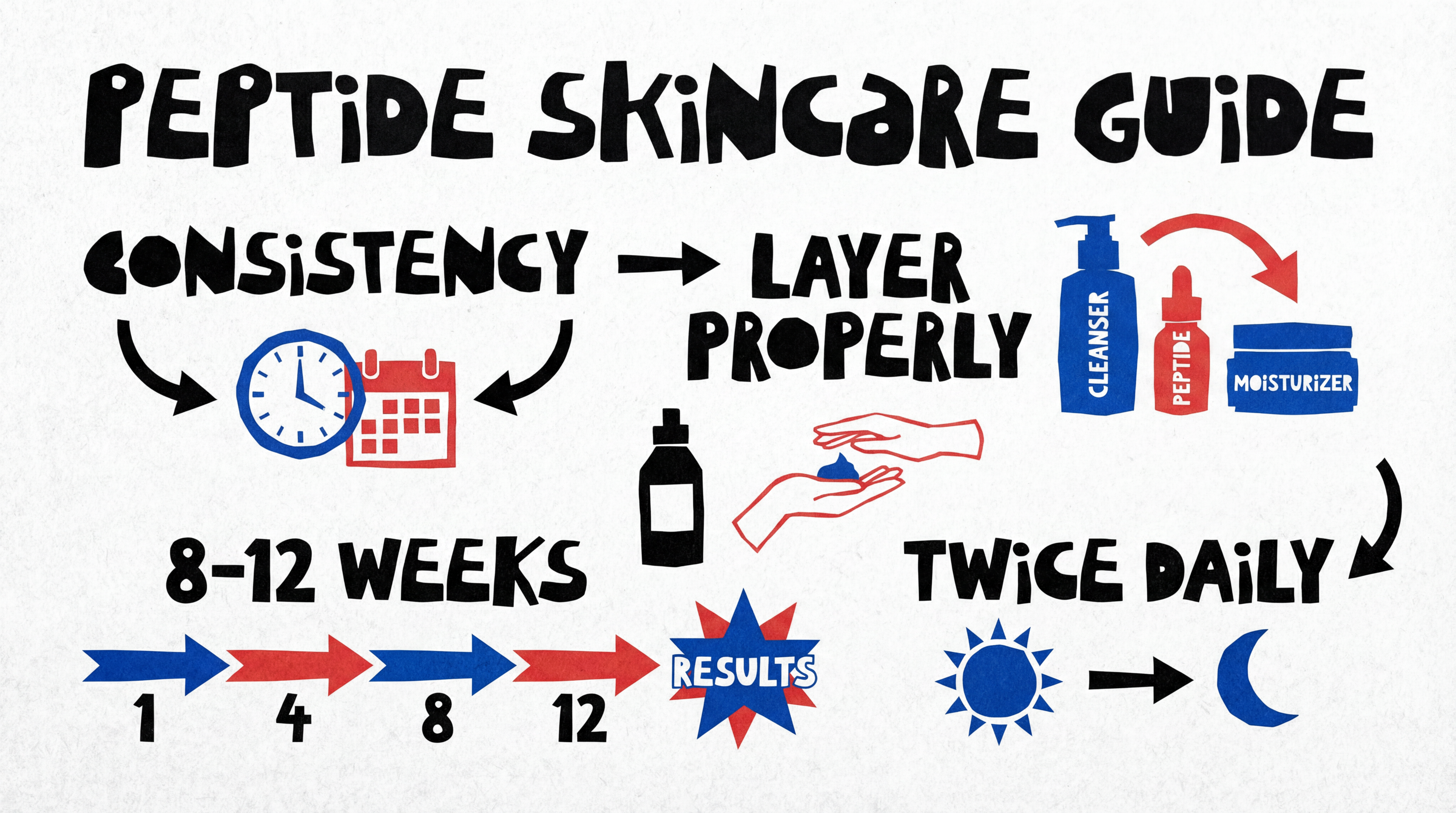
- Consistency is key — Use twice daily for best results
- Don't combine with low-pH products — Acids can denature peptides
- Layer properly — Apply after water-based serums, before oils/creams
- Give it time — Expect 8-12 weeks for visible results
Red Flags to Watch For
🚩 Products listing 20+ peptides (more isn't better) 🚩 Peptides near the end of ingredient lists (means negligible amounts) 🚩 Claims of "instant" results 🚩 Prices that seem too good to be true
Conclusion
Peptides are legitimate skincare actives with real science behind them—but not all peptides are created equal. Focus on well-researched options like Matrixyl and GHK-Cu, maintain realistic expectations, and be patient.
Questions about peptide formulations? Ask in the comments.